
Leaky home warning signs: what to look for before you buy in NZ

A leaky home is one where water gets past the cladding and into the framing. The highest-risk houses are plaster or monolithic clad, built roughly 1994 to 2005, with flat roofs, no eaves, and decks or balconies attached to the walls. The signs to look for are staining under windows, soft or cracked plaster, bubbling paint inside, and elevated moisture readings at window heads and deck junctions. An inspection to NZS 4306:2005 tests every one of those points.
A leaky home is one where water gets past the cladding and into the framing, and stays there. New Zealand built a lot of them between the mid 1990s and the mid 2000s, and Hamilton has its share, particularly in Rototuna and the townhouse developments of that era. Most of them look perfectly fine from the street. That is the problem.
Why that era of house leaks
Four things came together at once. Plaster and monolithic cladding was fixed straight onto the timber frame with no drainage cavity behind it, so any water that got in had nowhere to go. Untreated timber framing was allowed until 2004, so wet framing rotted instead of surviving. The fashionable designs had flat roofs with no eaves, internal balconies set inside the wall line, and complicated junctions with no flashings. And a lot of the waterproofing detail was simply installed badly.
The high-risk features to look for
- Built between about 1994 and 2004
- Plaster or monolithic cladding with no cavity, especially where it runs down into the soil or paving
- Flat or very low pitch roofs with little or no eave
- Balconies or decks set within the wall line, or cantilevered out from an upper storey
- Windows and doors with no visible head flashings
- Pipes, vents and light fittings punched through the cladding with a bead of sealant and nothing else
None of these on its own means the house leaks. Two or three together mean it needs to be tested properly, not just looked at.
The signs you can see
Staining or bubbling paint under windows, inside and out. Soft or cracked plaster, especially at the bottom of walls and around balcony junctions. A musty smell in a room that is otherwise clean. Skirtings or architraves that have swollen. Carpet that is damp in one corner for no reason. On a deck, the point where the deck meets the wall is the usual entry point, and decks on upper storeys with no roof over them carry the most risk.
What an inspection does that your eyes cannot
We take moisture readings at the usual weak spots: window heads and sills, the bottom of the cladding, deck and balcony junctions, around penetrations, and inside behind those same spots. A dry wall reads the same everywhere. A wet one shows a spike in exactly the place the water is getting in. Those readings go in the report with photos, graded red, orange or green, so you and your lawyer can see whether it is a maintenance job or a specialist weathertightness report before you go unconditional.
What the Building Code expects
Clause E2 of the Building Code, and its acceptable solution E2/AS1, sets out how roofs, walls and junctions have to manage water: deflect it, drain it, let the structure dry, and use materials that last. Houses built to that standard after 2004 are a different proposition from the ones built before it. Knowing which one you are looking at is half the job.
If the house has these features
Do not walk away on the basis of a plaster finish alone. Plenty of these houses have been recladded or repaired properly and are sound. Get the inspection, read the moisture readings, and if anything is orange or red, get a weathertightness specialist to price it before you commit. That number belongs in the negotiation, not in your first year of ownership.
Questions that go with this guide
If yours isn't here, call 022 309 8813 and ask us.
A closer look at whether water is getting into the building, focused on cladding, joints, decks, windows and roof junctions, with moisture readings. It is most relevant to plaster and monolithic clad homes built from the mid 1990s to mid 2000s.
Yes. Non-invasive moisture testing is part of every inspection, with particular attention to bathrooms, kitchens, laundries and the risk points on plaster and monolithic clad homes. Any high readings go in the report with photos and a recommendation.
In New Zealand, building inspection is not a licensed trade, so anyone can call themselves an inspector. Look for inspectors who hold the relevant certificates and ensure the report is prepared in accordance with NZS 4306:2005.
More guides
Plain answers to the questions we get asked most on site.
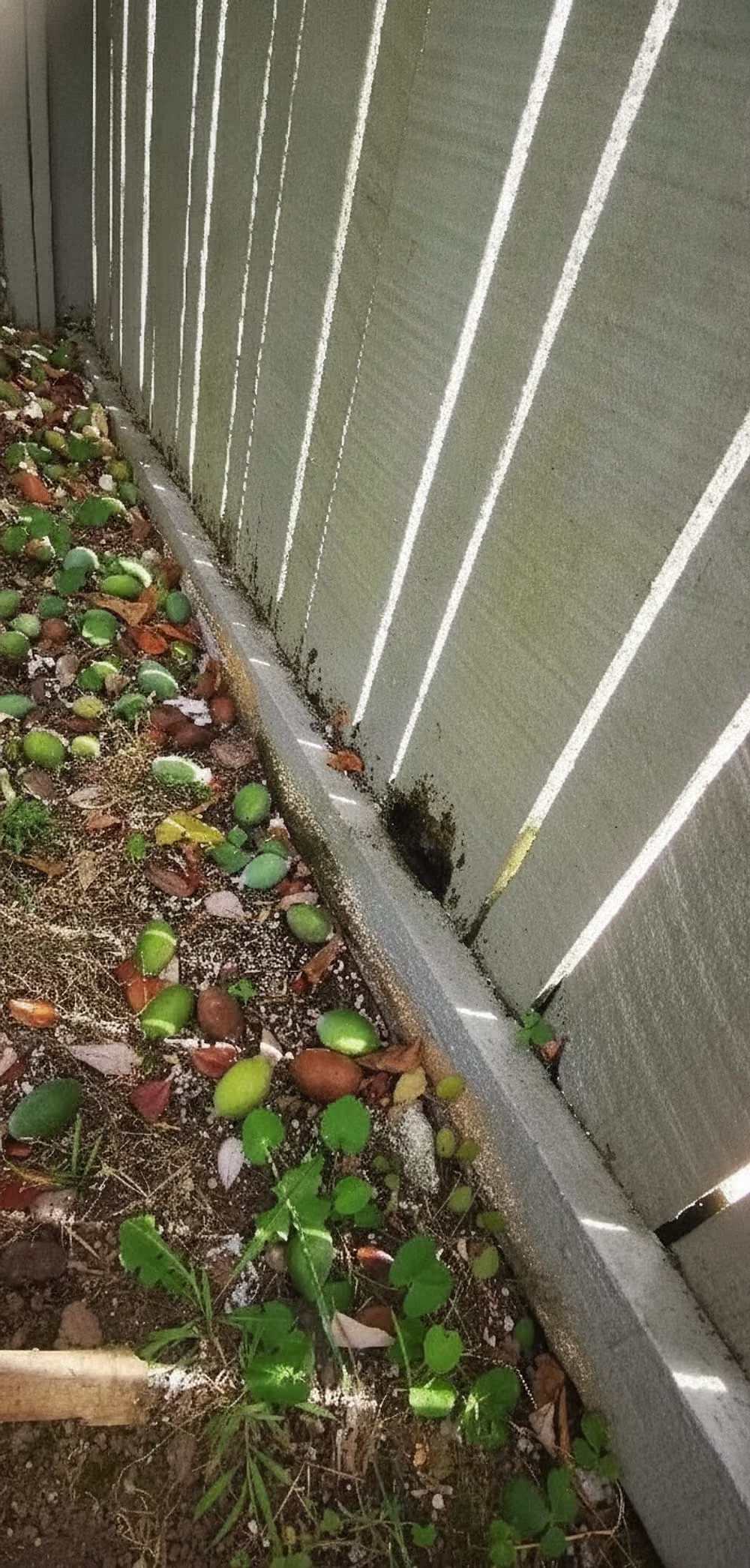
Leaky home warning signs: what to look for before you buy
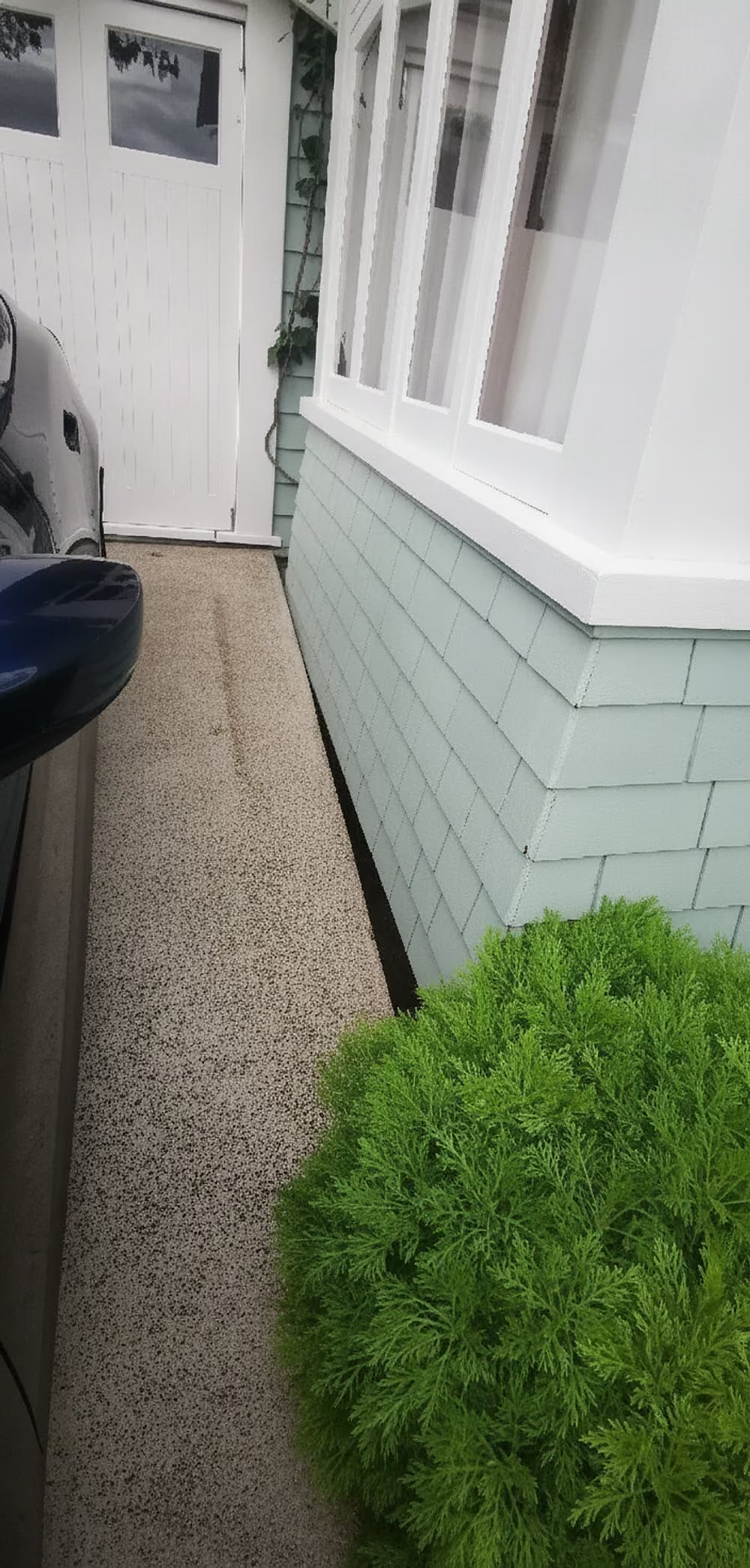
How long does a roof last in NZ? Lifespan by roof type
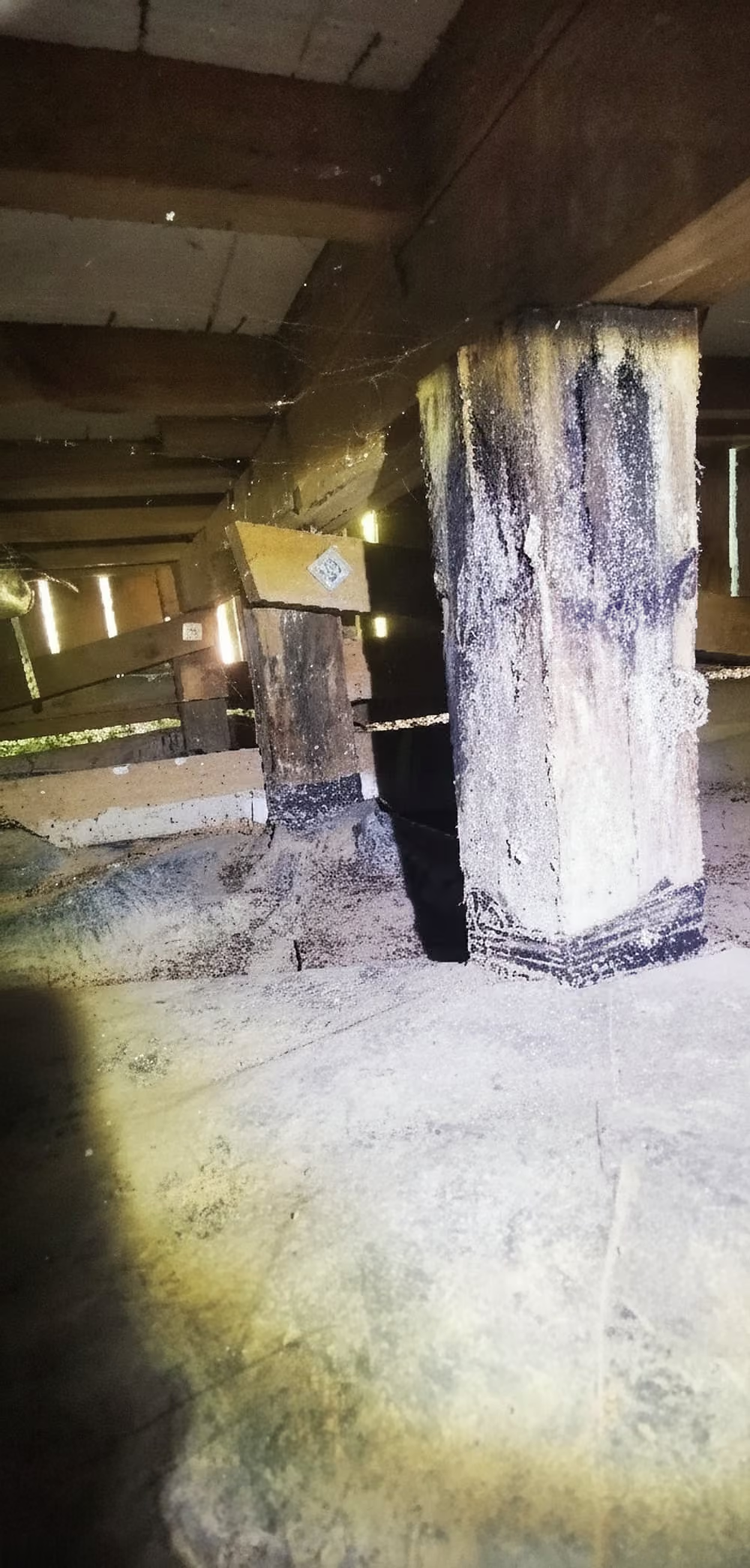
Are wall cracks a dealbreaker when buying a house in NZ?